Proudly serving Phoenix, Glendale, Scottsdale, Tempe, Mesa, Chandler & surrounding areasCall or Text 24/7: 480-210-2603

Mobile Auto Repair & Engine Diagnostic Services in Mesa, AZ

Phoenix Mobile Car Mechanic brings mobile check engine light diagnostics, brake repair, and car battery replacement to drivers across Mesa. Our technicians also handle alternator and starter replacement, oil changes, AC repair and recharge, radiator and cooling system repair, spark plug and ignition coil replacement, and pre-purchase car inspections. We arrive at your driveway, workplace, parking lot, or roadside location with professional OBD-II scan tools. That gives you a practical way to diagnose and address vehicle trouble without starting with a tow to a shop.

Mesa engine bays can climb past 190 degrees during summer, accelerating wear on oxygen sensors, ignition coils, vacuum lines, and electrical connectors. Dust and repeated heat-soak cycles can add airflow and cooling-system faults that a basic code pull may not explain. Our ASE-trained diagnostic technicians review stored and pending codes, freeze-frame data, live readings, and readiness monitors before recommending a repair. Same-day diagnostics and many same-visit repairs are available when scheduling and the confirmed fault allow.

From Downtown Mesa and Dobson Ranch to Las Sendas, Eastmark, and Superstition Springs, we bring the diagnostic bay to the vehicle and explain what the findings mean before work begins.

★ ★ ★ ★ ★4.9/5 Average Rating - 20+ Years of Experience - Mesa Mobile Mechanic Specialists - Residential & Commercial
Mobile Auto Services

Mobile Mechanic Services in Mesa, AZ

We run mobile diagnostic and repair calls throughout Mesa every day of the week, including Downtown, Red Mountain, Las Sendas, Dobson Ranch, the Fiesta District, Superstition Springs, and Eastmark. Drivers in nearby Chandler, AZ can also request the same on-location service.

Check Engine Light Diagnostics

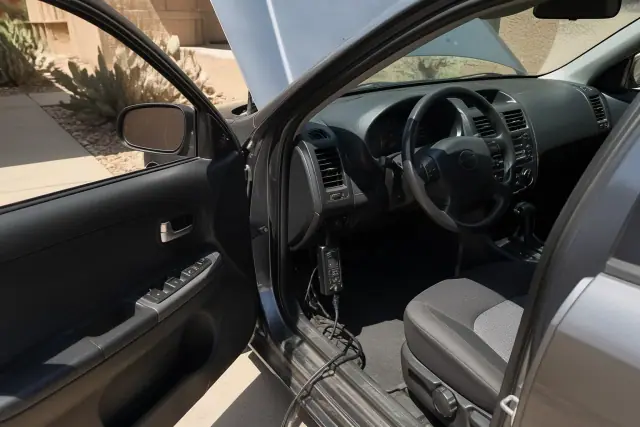
Technician performing car check engine diagnostics on a residential concrete pad in Mesa, AZ.

On-site diagnostic work can range from a five-minute initial code pull to a full electrical and emissions-system evaluation. A typical mobile check engine light diagnostic takes 30 to 60 minutes, depending on the number of codes and whether live-data testing is needed to confirm the fault.

Explore Service

Brake Repair

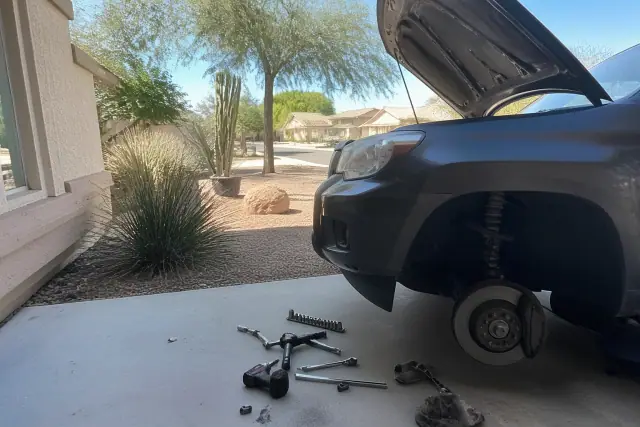
Mobile mechanic performing brake repair on a car in a residential driveway in Mesa, AZ.

Mobile brake repair is available at Mesa homes, workplaces, and parking locations. Describe the symptoms when you call so the technician can prepare for the visit and explain the recommended work before starting.

Explore Service

Car Battery Replacement

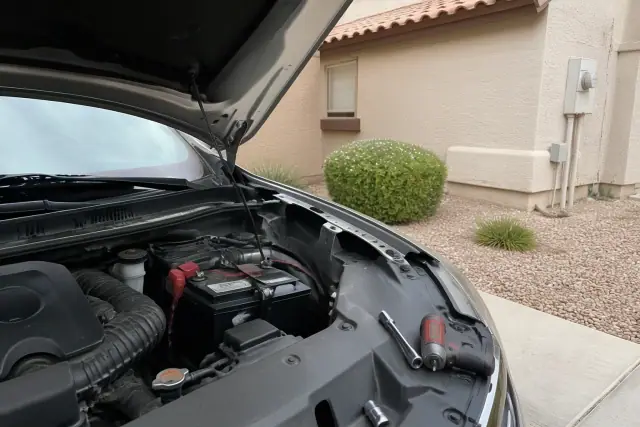
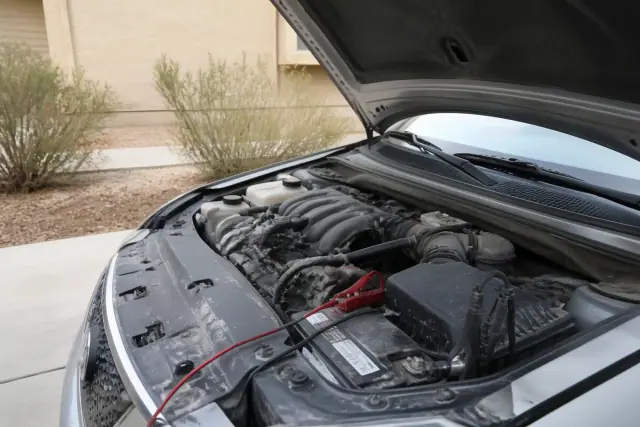
Mobile mechanic replacing a car battery on a vehicle in a residential driveway in Mesa, AZ.

Before replacing a battery, we check battery voltage and electrical grounds because weak voltage can trigger misleading fault codes. When replacement is the confirmed need, the service can be completed where the vehicle is parked.

Explore Service

Alternator Replacement

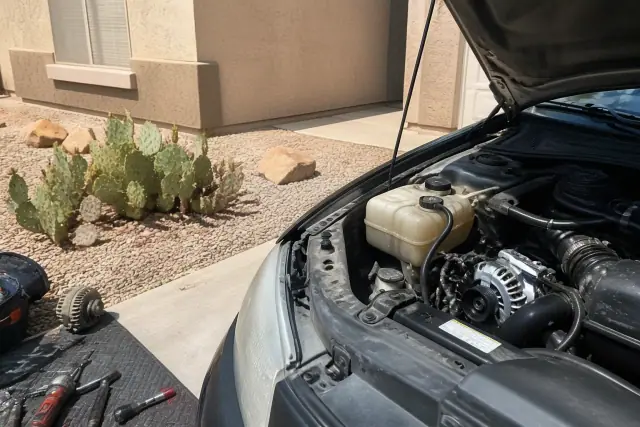
New alternator installed in an engine bay during a mobile mechanic service at a home in Mesa, AZ.

Charging output is tested before an alternator is blamed for warning lights or starting trouble. If the alternator is the confirmed cause, we can provide mobile replacement and explain the parts-and-labor recommendation.

Starter Replacement

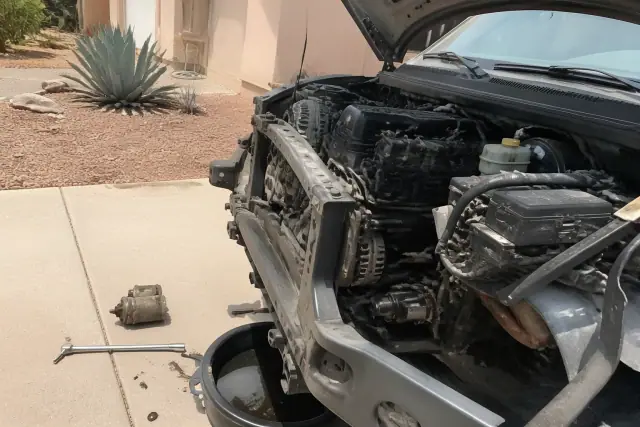
New starter motor installed on a vehicle engine in a residential driveway in Mesa, AZ.

Starter replacement is part of our Mesa mobile mechanic service list. We first separate starter trouble from battery or charging-system faults, then review the recommended repair before work begins.

Oil Change

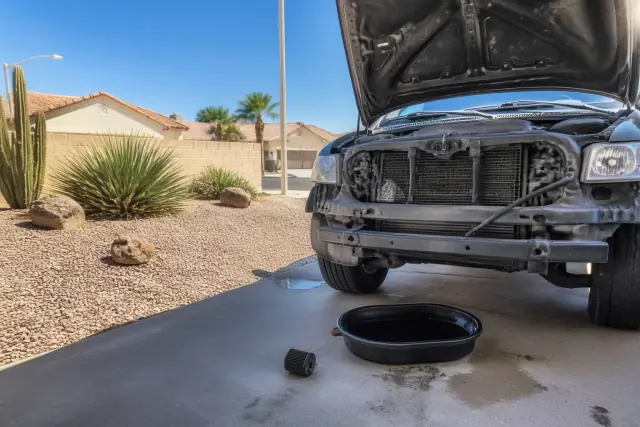
Mobile mechanic performing an oil change on a vehicle in a residential driveway in Mesa, AZ.

Mobile oil changes let Mesa drivers handle routine service without leaving the vehicle at a shop. Ask about this service when scheduling diagnostics or another supported repair.

AC Repair & Recharge

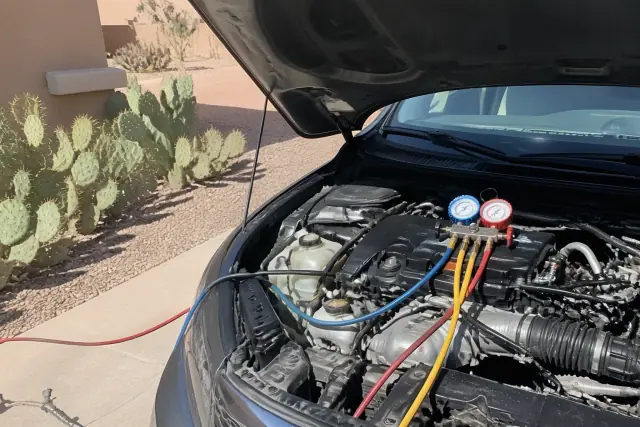
Open hood of a vehicle undergoing AC repair with refrigerant hoses on a residential driveway in Mesa, AZ.

AC repair and recharge are available for Mesa vehicles coping with sustained desert heat. The technician evaluates the concern on-site and explains whether the needed work fits our mobile service list.

Radiator & Cooling System Repair

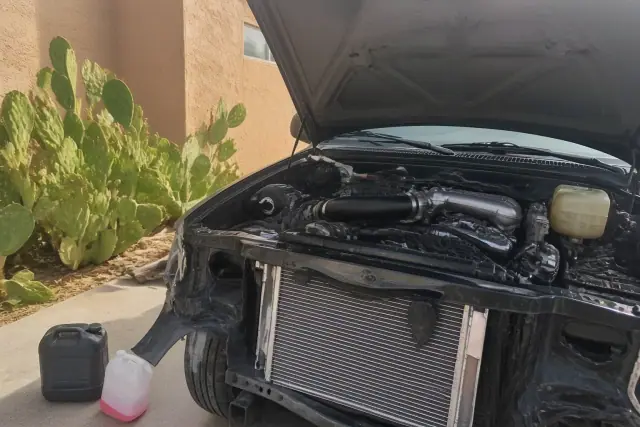
Vehicle with its hood open for a radiator repair on a concrete pad at a home in Mesa, AZ.

Radiator and cooling-system repairs address confirmed overheating faults and related engine codes. On-site testing helps connect the warning light to the actual cooling concern before parts are recommended.

Spark Plugs & Ignition Coil Replacement

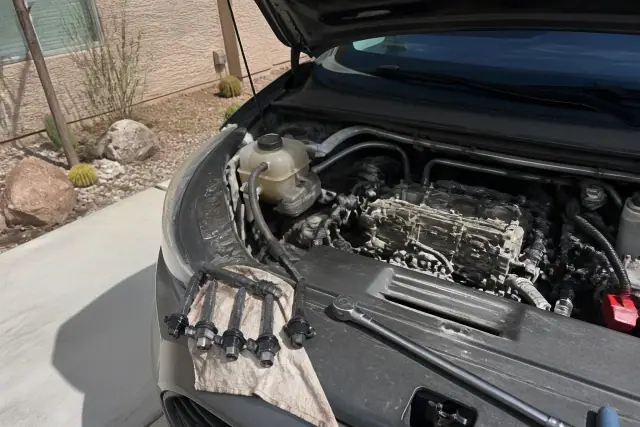
Mobile mechanic performing a spark plug and ignition coil replacement on a car in a residential driveway in Mesa, AZ.

Heat can accelerate ignition-coil and spark-plug problems that lead to misfires. We identify the affected cylinder, coil, or related sensor circuit before recommending spark plug or ignition coil replacement.

Pre-Purchase Car Inspection

A mobile mechanic performs a pre-purchase car inspection on a vehicle in a Mesa, AZ driveway.

A mobile pre-purchase car inspection brings vehicle evaluation to the car's location. It is available across Mesa for buyers who want more information before deciding how to proceed.

Diagnostic Service Selection

How to Choose Check Engine Diagnostics in Mesa

A stored code is only a starting point, so compare diagnostic services by how they confirm root cause and communicate the result. Consumer OBD-II scanners in the $50 to $150 range can retrieve a generic code, but they cannot provide all of the live-data and component testing needed for a complete diagnosis.

Root-Cause Diagnosis

Look for a technician who treats a code such as P0300 as the beginning of the diagnosis, not permission to replace parts at random. Cross-referencing technical service bulletins, wiring diagrams, and known failure patterns helps distinguish the actual fault.

Manufacturer-Specific Code Access

Enhanced OBD-II scanners can retrieve manufacturer-specific information beyond generic P-codes. Our equipment supports diagnostic work across domestic, Asian, and European makes.

Live-Data & Freeze-Frame Review

Freeze-frame data records engine conditions when the fault occurred, while live readings help verify whether it remains active. Stored and pending codes plus readiness monitors provide context that a single code number cannot.

On-Site Electrical Testing

When the code demands more evidence, on-site testing can include a digital multimeter, a smoke machine for vacuum and EVAP leaks, and fuel-pressure gauges. Battery voltage, charging output, and grounds are checked first because electrical weakness can create false or misleading codes.

Upfront Repair Breakdown

The recommendation should separate parts and labor so you know what you are paying for before work starts. Confirming the cause can be the difference between a $150 diagnostic and a $1,500 parts-cannon attempt that still does not solve the problem.

Mobile Service at Your Vehicle

Mobile diagnostics avoid a tow bill, a rental car, and a lost half-day in a waiting room. We can meet the vehicle near Falcon Field, at a Las Sendas home, at Superstition Springs, or elsewhere in the broader Phoenix metropolitan area, including Gilbert, Tempe, Queen Creek, Apache Junction, Scottsdale, and central Phoenix.

Mesa Vehicle Warning Signs

Common Check Engine Light Causes

Mesa pavement temperatures regularly exceed 150 degrees, and ambient air can approach 115 degrees. Combined with desert dust and stop-and-go heat-soak cycles on Loop 202 and US-60, those conditions accelerate failures in seals, sensors, ignition components, and cooling systems.

Diagnose My Vehicle

Heat-Stressed Sensors and Coils

Sustained heat speeds deterioration in oxygen sensors, ignition coils, plastic intake parts, and electrical connectors. The resulting fault may appear before the vehicle develops an obvious drivability symptom.

Vacuum and EVAP Leaks

Heat-cracked rubber hoses and seals can trigger evaporative-emissions faults such as P0442. A loose gas cap can also set an EVAP code, so smoke testing and inspection help locate the actual leak before parts are replaced.

Active Misfires

A flashing check engine light signals an active misfire that can damage the catalytic converter. Rough idle, hesitation, or a P0300 random-misfire code requires testing to identify the affected cylinder, coil, plug, or circuit.

Dusty Airflow Sensors

Fine particulate from desert washes, the Salt River bed, and construction growth near Eastmark can enter intake systems and contaminate mass airflow sensors. Skewed readings may produce lean or rich fuel-trim codes.

Weak Battery or Charging Output

Low battery voltage, poor grounds, or weak alternator output can trigger faults that point away from the real electrical problem. A voltage and charging check establishes that baseline before deeper code analysis.

Overheating and Cooling Codes

Cooling-system stress can set overheating-related codes and threaten engine reliability in Mesa heat. We connect scan results with on-site radiator and cooling-system checks before recommending a repair.

Why Choose Us

Why Choose Phoenix Mobile Car Mechanic in Mesa?

Our ASE-trained technicians combine professional scan tools with Mesa-specific knowledge of heat, dust, traffic, and emissions-testing concerns. We come to the vehicle, explain the evidence in plain language, and provide a written finding before recommending the next step.

Mesa Desert-Climate Knowledge

Monsoon dust, high ambient temperatures, and repeated summer heat cycles create recognizable failure patterns. Experience with Ford, Honda, and GM platforms helps our technicians focus testing on fittings, seals, coils, and circuits that commonly suffer under desert conditions.

Arizona Emissions-Test Readiness

Mesa vehicles subject to Maricopa County's biennial Arizona Department of Environmental Quality inspection cannot pass with an illuminated check engine light. We review readiness monitors and diagnose the underlying fault so you can address it before the test.

Diagnostics and Common Repairs

When testing confirms the cause, common repairs such as sensor, battery, alternator, spark plug, ignition coil, and cooling-system work can often be completed in the same visit. If the needed fix falls outside our service list, we say so instead of attempting work we do not specialize in.

Simple Diagnostic Process

Our Mobile Diagnostic Process in Mesa

The visit moves from symptoms to scan data, confirmation testing, and a clear repair recommendation. Each step is designed to separate the code that was stored from the fault that actually caused it.

01.

Describe the Warning Light and Symptoms

We ask when the light appeared, whether it is solid or flashing, and whether you noticed rough idle, hesitation, or a burning smell. That intake helps prioritize an active misfire and gives the scan data useful context.

02.

Check the Vehicle and Electrical Baseline

A visual assessment is followed by checks of battery voltage, charging output, and grounds. Establishing a healthy electrical baseline keeps low voltage from distorting the diagnosis.

03.

Scan Stored and Pending Codes

We connect the enhanced scanner to the OBD-II port and retrieve stored, pending, generic, and manufacturer-specific codes. Readiness-monitor status is recorded at the same time.

04.

Review Freeze-Frame and Live Data

Freeze-frame information shows the conditions present when the fault set. Live-data testing then helps determine whether the reading is current, intermittent, or historical.

05.

Confirm the Root Cause

The technician uses the appropriate follow-up test, which may include a multimeter, smoke machine, or fuel-pressure gauge. Technical service bulletins and wiring diagrams help confirm the finding before a repair is proposed.

06.

Review the Findings and Repair Options

You receive a written explanation in plain language plus a repair recommendation with parts and labor broken out. When the repair is supported on-site, you can decide whether to proceed during the same visit.

Diagnostic Clarity

What Accurate Diagnostics Can Clarify

Case Study 1: Misfire finding: Manufacturer-specific codes, freeze-frame data, and live readings can narrow a random misfire to the affected cylinder, coil, plug, sensor, or circuit.

Case Study 2: EVAP finding: Inspection and smoke testing can distinguish a loose gas cap from a heat-cracked hose or another leak in the evaporative-emissions system.

Case Study 3: Electrical finding: Battery-voltage, charging-output, and ground checks can separate a battery or alternator problem from secondary codes caused by weak power.

Get Clear Answers

Schedule Mobile Diagnostics in Mesa, AZ

Tell us whether the light is solid or flashing, what the vehicle is doing, and where it is parked. We will arrange an on-site visit and quote the diagnostic fee before testing begins.

Mesa Diagnostic Help

FAQs About Check Engine Lights in Mesa, AZ

These answers cover diagnostic cost, on-site testing, warning-light urgency, emissions readiness, and mobile service coverage. Call if your vehicle has symptoms that need a technician's direct evaluation.

Call a Diagnostic Technician

A basic diagnostic evaluation at a traditional shop typically costs $100 to $200 before repairs. National data from 2025 put the average total check-engine-light repair at $554, up 33% from the prior year as labor costs rose 51%. We quote our diagnostic fee upfront, and it is applied toward the repair when you proceed with us during the same visit.

Some retail parts stores provide free code reading with a basic scanner. That retrieves a code number but does not confirm the root cause, evaluate live data, or rule out related faults. A complete diagnosis goes beyond the initial code pull before recommending parts.

Yes. Our technicians bring professional-grade OBD-II scanners, digital multimeters, smoke-testing equipment, and fuel-pressure gauges to the vehicle. The visit can include stored and pending codes, manufacturer-specific information, freeze-frame conditions, live data, and readiness-monitor status.

Some faults appear before drivability changes are obvious, including a loose gas cap, an early oxygen-sensor failure, an EVAP leak, or a catalytic-converter efficiency code. Mesa heat can accelerate wear on seals and connectors. Prompt code reading helps reveal whether the fault could cause longer-term damage.

No. An illuminated check engine light is an automatic failure under the Arizona Department of Environmental Quality vehicle emissions program that applies to Mesa registrations in Maricopa County. Diagnose and repair the underlying issue before the inspection rather than only clearing the code.

The process typically takes 30 to 60 minutes. Timing depends on the number of stored codes and whether live-data or component testing is needed to verify that the fault is current.

A flashing light signals an active misfire that can damage the catalytic converter, so it calls for prompt attention. A solid light may not produce an immediate symptom, but it still needs code reading and diagnosis to identify the fault.

An enhanced scan can retrieve generic and manufacturer-specific codes, stored and pending faults, freeze-frame data, live sensor readings, and readiness monitors. Those details help separate the code's description from the part or circuit that actually caused it.

Often, yes, when the confirmed fix is within our service list and the needed parts and tools are available. Common same-visit work can include sensor, battery, alternator, spark plug, ignition coil, and cooling-system repairs. If the fault requires work outside our scope, we explain that clearly.

We can diagnose vehicles at a home, workplace, job site, parking lot, or roadside location across Mesa. Service areas named in the draft include Downtown, Dobson Ranch, the Fiesta District, Red Mountain, Las Sendas, Superstition Springs, Eastmark, Signal Butte Road, and Falcon Field.

The mobile service area extends beyond Mesa to Gilbert, Chandler, Tempe, Queen Creek, and Apache Junction. Broader Phoenix metropolitan coverage also includes Scottsdale and central Phoenix for customers coordinating service across multiple vehicles.

Heat accelerates degradation in vacuum hoses, plastic intake parts, sensor insulation, coils, and electrical connectors. Fine desert dust can contaminate mass airflow sensors and intake systems, creating lean or rich fuel-trim codes. Repeated stop-and-go heat cycles can shorten ignition-component life as well.

No. Clearing a code removes the stored warning but does not repair the failed sensor, leaking hose, misfiring cylinder, weak electrical system, or other root cause. The code can return, and readiness monitors may need to run again before an emissions inspection.

Readiness monitors show whether the vehicle's onboard systems have completed their self-checks. We record their status during the scan because it matters when you are preparing for an Arizona emissions inspection.

The service list includes brake repair, battery replacement, alternator replacement, starter replacement, oil changes, AC repair and recharge, radiator and cooling-system repair, spark plug and ignition coil replacement, and pre-purchase car inspections. Availability for a specific visit depends on the vehicle concern and the confirmed work needed.