Proudly serving Phoenix, Glendale, Scottsdale, Tempe, Mesa, Chandler & surrounding areasCall or Text 24/7: 480-210-2603

Mobile Auto Repair & Engine Diagnostic Services in Avondale, AZ

Phoenix Mobile Car Mechanic brings certified mobile auto diagnostics and repair to homes, offices, and roadside locations throughout Avondale. Check Engine Light Diagnostics lead our service lineup, supported by Brake Repair and Car Battery Replacement when testing points to a related safety or starting issue. We also handle alternators, starters, oil changes, AC service, cooling-system repair, spark plugs, ignition coils, and pre-purchase inspections at the vehicle's location. Professional-grade OBD-II scan tools help us turn warning lights and symptoms into a clear next step.

Avondale heat regularly exceeds 110 degrees, while dust around unpaved lots off Dysart Road and daily Loop 101 and I-10 traffic add stress to sensors, wiring, batteries, seals, and cooling parts. Late-summer monsoon humidity can also affect electrical connectors. We compare fault codes with live sensor data instead of guessing and swapping parts. When a dashboard warning appears, same-day service is available in most cases so you can understand the problem without first arranging a tow or shop visit.

We work across Garden Lakes, Rancho Santa Fe, Friendship Village, and Coldwater Springs. Avondale grew from 35,883 residents in 2000 to 89,334 in the 2020 census, increasing the number of commuters putting daily miles on vehicles along Van Buren Street and Western Avenue.

★ ★ ★ ★ ★4.9/5 Average Rating - 20+ Years of Experience - Avondale Mobile Mechanic Specialists - Residential & Commercial
Mobile Auto Services

Mobile Auto Repair Services in Avondale, AZ

From diagnostics through maintenance, service is performed at your driveway, workplace parking lot, or roadside location with scan equipment, hand tools, and common replacement parts carried to the vehicle. The same mobile setup also serves nearby Goodyear, AZ , one of the surrounding communities we cover from Avondale.

Check Engine Light Diagnostics

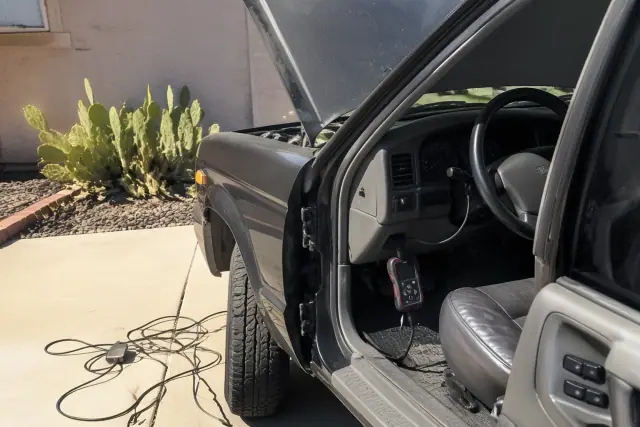
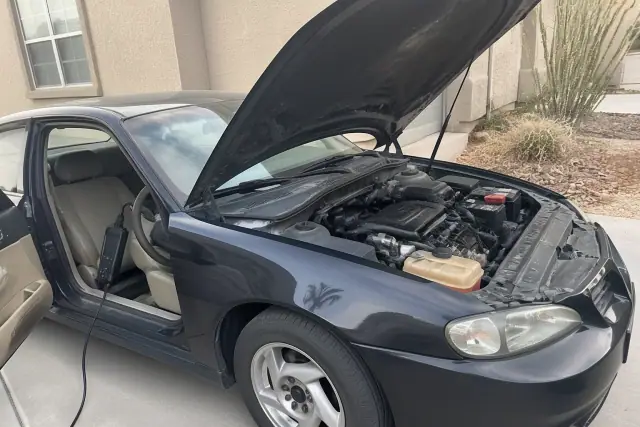
A mobile mechanic performs check engine light diagnostics on a car in an Avondale, AZ driveway.

We pull stored and pending codes with SAE J1979-compliant tools, then review freeze-frame data and live sensor streams. The scan covers generic and manufacturer-specific P-codes so the recommendation reflects the full data, not a code alone.

Explore Service

Brake Repair

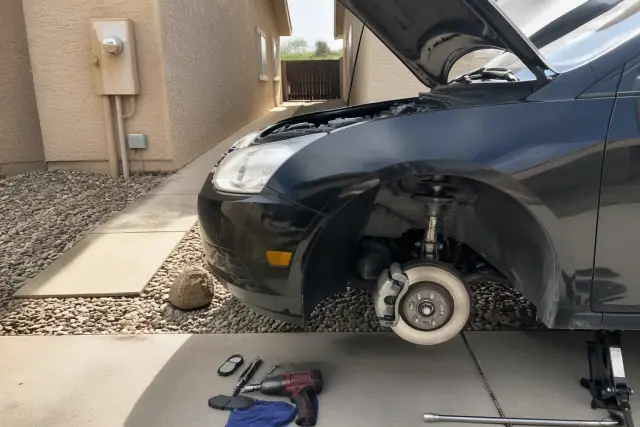
Technician performing a brake repair on a vehicle parked on a residential concrete pad in Avondale, AZ.

Stop-and-go driving on Van Buren Street and near Loop 101 interchanges can wear pads more quickly than uninterrupted highway travel. On-site brake service includes inspection of pads, rotors, calipers, and fluid, followed by replacement of worn components with OE-spec or better parts.

Explore Service

Car Battery Replacement

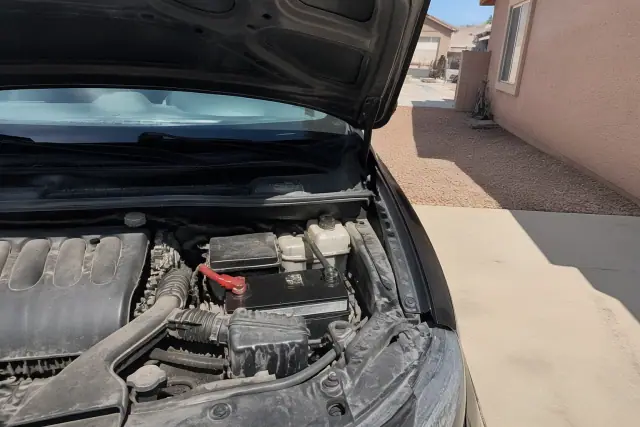
A mobile mechanic performing a car battery replacement on a vehicle in an Avondale, AZ residential driveway.

Arizona heat can shorten battery life to two to three years instead of the five-year lifespan often seen in cooler climates. We test cold-cranking amps and the charging system before installing a battery rated for the vehicle's make and model.

Explore Service

Alternator Replacement

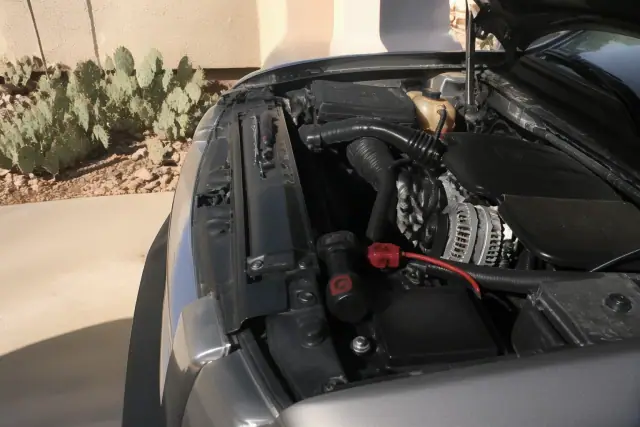
New alternator installed in a vehicle engine bay during a mobile mechanic service in Avondale, AZ.

Dimming headlights, a battery warning light, or slow cranking can indicate weak alternator output. We test charging voltage under load and replace the alternator on-site when readings fall outside the 13.5 to 14.5 volt range most vehicles require.

Starter Replacement

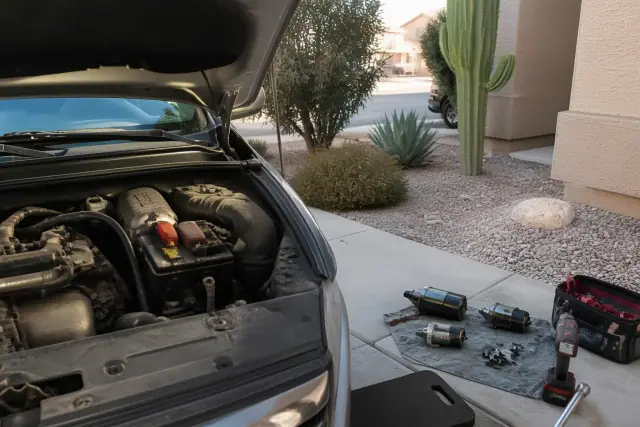
A vehicle with its hood raised during a starter replacement on a concrete driveway in Avondale, AZ.

Clicking or a no-crank condition may come from the starter motor, solenoid, battery, or a poor connection. Testing the complete starter circuit first confirms whether the starter is the actual fault before replacement.

Oil Change

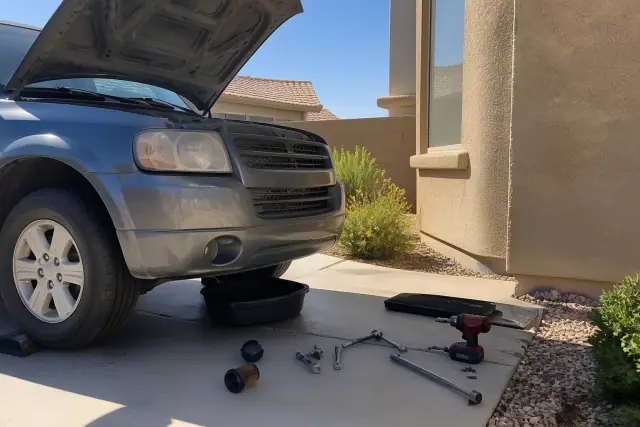
A mobile mechanic performs an oil change on a vehicle in a residential driveway in Avondale, AZ.

Desert heat can break down conventional oil faster than it would in a moderate climate. Mobile oil service uses the grade and viscosity specified for the engine, replaces the filter, and includes a check of fluid levels across the vehicle.

AC Repair & Recharge

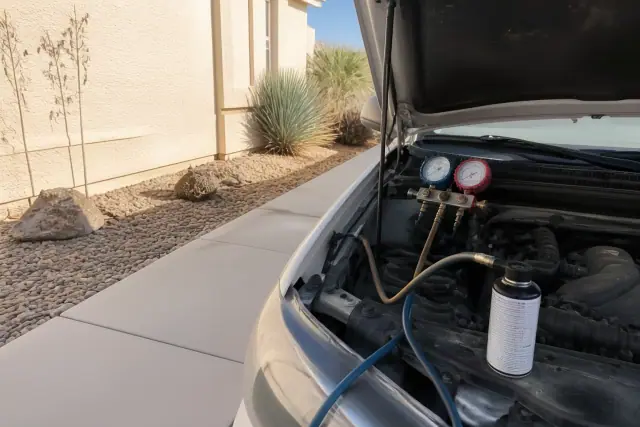
Technician performing AC repair on a car parked on a concrete pad in Avondale, AZ.

We diagnose refrigerant leaks, compressor problems, and electrical faults before recharging the AC system to manufacturer-specified pressure. Service uses R-134a or R-1234yf refrigerant according to the vehicle.

Radiator & Cooling System Repair

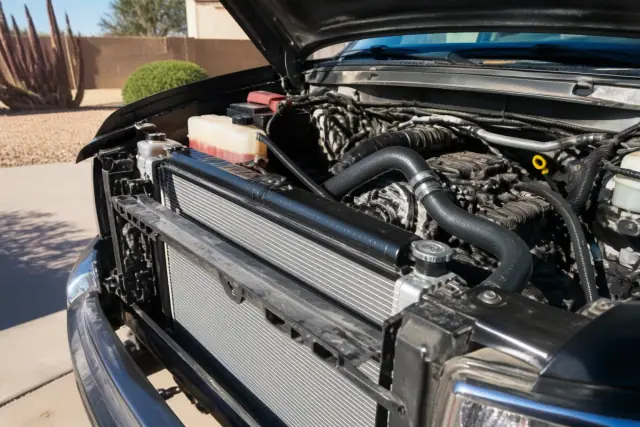
Technician performing radiator and cooling system repair on a vehicle in an Avondale, AZ driveway.

Cooling-system service includes inspection of the radiator, hoses, thermostat, and water pump, plus pressure testing for leaks. When a flush and refill is appropriate, coolant is restored to the manufacturer's specified 50/50 mixture.

Spark Plugs & Ignition Coil Replacement

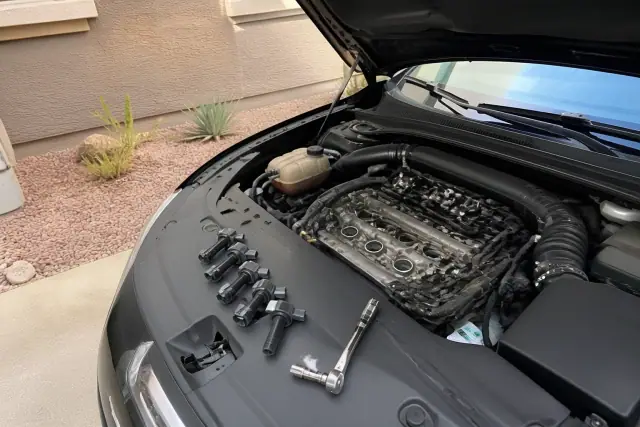
Technician replacing spark plugs and ignition coils in a vehicle engine bay at a residence in Avondale, AZ.

Worn plugs and failing coils can cause misfires, rough idle, and reduced fuel economy. We set replacement plugs to the factory gap and torque specification, and test individual coils when codes such as P0301 through P0308 identify a cylinder-specific misfire.

Pre-Purchase Car Inspection

Technician performing a pre-purchase car inspection on a vehicle with the hood open at a home in Avondale, AZ.

A mobile pre-purchase inspection combines a full diagnostic scan with checks of brakes, fluids, belts, and the cooling system. You receive a written summary of stored or pending codes and visible concerns before committing to a used vehicle.

Choosing Service

How to Choose Mobile Auto Service in Avondale

Useful mobile service starts with accurate testing, appropriate equipment, and a clear explanation of what the vehicle data means. These factors help distinguish a diagnosis from a quick code read and guide the right repair path.

Complete Code Context

Look for testing that combines stored and pending codes with freeze-frame conditions and live values such as fuel trims, oxygen-sensor voltage, and coolant temperature. That context is what turns a scan result into a useful diagnosis.

Service Where the Vehicle Sits

A properly equipped mobile mechanic can inspect the vehicle at a home, office, parking lot, or roadside location. Diagnostic gear, hand tools, and common parts carried on the service vehicle allow many jobs to finish in one visit.

Testing Before Parts

A fault code identifies a system or condition, not always the failed part. Confirming the code with sensor readings, circuit tests, a smoke test, or a voltage-drop test helps avoid replacing components that were not the cause.

Vehicle-Specific Specifications

Repairs and maintenance should follow the vehicle's requirements for part quality, oil viscosity, spark-plug gap and torque, refrigerant type, and system pressure. Matching those specifications matters more than using a one-size-fits-all approach.

Desert Heat and Dust Awareness

Heat can age batteries, rubber seals, hoses, and terminals, while airborne dust can affect mass-airflow and intake sensors. A diagnostic sequence that considers those Avondale conditions can focus follow-up tests without assuming the environment is the only cause.

Avondale Emissions Context

Maricopa County sits within an EPA-designated air-quality nonattainment area, and many vehicles registered in Avondale are subject to Arizona emissions testing. Because a check engine light almost always results in an automatic test failure, accurate diagnosis before a test date matters.

Avondale Vehicle Issues

Common Vehicle Problems for Avondale Drivers

Dashboard warnings often arrive with symptoms that help shape the next test. Note whether the light is steady or flashing and whether the vehicle is misfiring, cranking slowly, overheating, or losing cabin cooling.

Diagnose My Vehicle

Steady Check Engine Light

A steady light usually is not an immediate danger when the vehicle otherwise drives normally, but it should still be diagnosed soon. Check that the gas cap is tight and watch for rough idle, stalling, or a burning smell.

Flashing Check Engine Light

A flashing light signals an active misfire that can damage the catalytic converter within a short driving distance. Avoid treating it like a routine warning, especially when the engine has a rough idle or begins stalling.

Rough Idle and Misfires

Misfires may come from worn spark plugs, ignition coils, fuel injectors, or a vacuum leak. Cylinder-specific testing and live data help separate those causes before ignition or fuel-system parts are replaced.

No-Crank or Slow-Crank Starts

Clicking, slow cranking, or no response can involve the battery, alternator, starter, solenoid, or a cable connection. Battery, charging, and starter-circuit tests show which part of the starting system needs attention.

Overheating and Coolant Loss

Radiator leaks, aging hoses, a thermostat, or a water-pump problem can allow engine temperature to climb. Visual inspection and cooling-system pressure testing help locate the fault before a refill or component repair.

Weak or Warm Air Conditioning

Poor cabin cooling can result from a refrigerant leak, compressor trouble, or an electrical fault. Diagnosis should identify the problem and the vehicle's refrigerant requirement before the system is recharged.

Why Choose Us

Why Choose Phoenix Mobile Car Mechanic in Avondale?

The value of mobile diagnostics is a trained technician who can gather reliable data where the vehicle is located and explain it clearly. Our approach combines professional scan equipment, local driving context, and repair recommendations reviewed with you before work begins.

Certified Mobile Diagnostics

Certified training and professional-grade OBD-II equipment support accurate reading of generic and manufacturer-enhanced code sets across makes such as Ford, Chevrolet, Toyota, and Honda. The service comes to the vehicle instead of requiring a shop-bay visit.

Experience Across Vehicle Ages

Avondale's mix of older commuter cars and newer vehicles can bring faults ranging from a failing 15-year-old oxygen sensor to turbocharged engines with sensitive fuel-trim systems and advanced emissions controls. Each vehicle is evaluated from its symptoms and data rather than treated like every warning light has the same cause.

Plain-Language Repair Options

After testing, we explain what triggered the light, which system is affected, and which repair options are available. Approximate cost is reviewed before work begins so you can make an informed decision.

Diagnostic Process

Our Mobile Diagnostic Process in Avondale

The process moves from symptoms and visible clues to scan data, confirmation testing, and a clear recommendation. Each step is designed to identify the cause before a repair is approved.

01.

Describe the Symptoms and Location

Tell us what the dashboard shows, how the vehicle is behaving, and whether it is at home, work, or a roadside location. Details such as rough idle, stalling, dim lights, or a burning smell help frame the initial assessment.

02.

Complete a Visual Assessment

The technician checks the engine bay for obvious leaks and examines accessible hoses and belts. This visual pass can reveal conditions that should be addressed before or alongside scanner testing.

03.

Connect the OBD-II Scanner

The scan retrieves stored and pending codes along with freeze-frame information captured when the fault occurred. Manufacturer-specific and generic code sets are reviewed together.

04.

Analyze Codes and Live Data

Live fuel trims, oxygen-sensor readings, mass-airflow values, and coolant temperature are compared with the code set. This helps show whether the warning reflects an ignition, fuel, air-intake, emissions, charging, or cooling issue.

05.

Confirm the Root Cause

Depending on the results, confirmation may include a smoke test for a vacuum leak, individual coil testing, a charging-system voltage-drop test, or cooling-system pressure testing. The goal is to verify the failed part or condition rather than guess.

06.

Review Repair Recommendations

You receive a plain-language explanation of the findings, the affected parts or systems, available repair options, and approximate cost. No repair begins until the recommendation has been discussed.

Diagnostic Outcomes

What Accurate Diagnostics Clarify for Avondale Drivers

Case Study 1: Misfire diagnosis: A P0300 code may trace to spark plugs, ignition coils, fuel injectors, or a vacuum leak. Codes, freeze-frame conditions, and live data help narrow the actual cause before parts are quoted.

Case Study 2: Charging-system direction: Dimming headlights, a battery warning light, or slow cranking can point beyond the battery. Load and circuit testing separates a weak battery, alternator output issue, poor connection, or starter problem.

Case Study 3: Cooling-system direction: An overheating vehicle may need inspection of the radiator, hoses, thermostat, water pump, and coolant pressure. Testing first helps identify a leak or failed component before a repair is recommended.

Get Clear Answers

Schedule Mobile
Vehicle
Diagnostics

Tell us where the vehicle is in Avondale and what warning light or symptom you are seeing. We can bring diagnostic equipment to your home, office, or roadside location, explain the findings, and review the next repair step.

Mobile Mechanic FAQs

FAQs About Mobile Car Service in Avondale, AZ

These answers cover warning-light severity, mobile testing, common desert-climate vehicle problems, and what is included in key services. Call if your vehicle's symptoms make it unsafe or uncertain to continue driving.

Call Our Mechanic

The vehicle's onboard computer has detected a fault in the engine, transmission, or emissions system and stored a code. The code identifies where testing should begin, but it does not always identify the failed part by itself.

If the light is steady and the vehicle drives normally, you can typically continue for short distances while arranging diagnosis. Tighten the gas cap and watch for rough running, stalling, or a burning smell instead of ignoring the light for weeks.

A flashing light indicates an active misfire that can damage the catalytic converter within a short distance. Avoid continued driving and arrange diagnosis, particularly if the engine has a rough idle or begins stalling.

The service includes an initial visual assessment, retrieval of stored and pending codes, review of freeze-frame information, and analysis of relevant live sensor data. Additional tests are selected when needed to confirm the cause.

A code may point to a system with several possible causes. Comparing it with live data and confirmation tests helps avoid clearing the warning without fixing the problem or replacing a part that was working correctly.

Gas-powered vehicles sold in the United States since 1996 use an OBD-II port. The professional scan tools described here read generic and manufacturer-enhanced code sets across makes including Ford, Chevrolet, Toyota, and Honda.

Yes. A loose or faulty cap can create an evaporative-emissions leak and trigger the warning. Tightening the cap is a useful first check, but persistent codes still need diagnosis.

Heat can accelerate wear on batteries, rubber gaskets, radiator hoses, terminals, and electrical connectors. Dust from unpaved lots or construction areas can affect mass-airflow and intake sensors, so those local conditions are considered during testing.

Arizona heat often shortens battery life to two to three years, compared with a five-year lifespan in cooler climates. Testing cold-cranking amps and charging performance helps confirm whether the battery is actually weak.

We check output voltage under load and compare it with the 13.5 to 14.5 volt range most vehicles require. Battery and starter-circuit results are also considered so a slow crank is not automatically blamed on the alternator.

Brake service begins with inspection of the pads, rotors, calipers, and fluid. Worn components can then be replaced on-site with OE-spec or better parts when the inspection supports that repair.

The vehicle determines whether AC service uses R-134a or R-1234yf refrigerant. The system is checked for leaks, compressor trouble, and electrical faults before it is recharged to manufacturer-specified pressure.

Cooling-system diagnosis can include the radiator, hoses, thermostat, water pump, and a pressure test for leaks. If flushing and refilling are appropriate, coolant is restored to the manufacturer's specified 50/50 mixture.

The inspection includes a full diagnostic scan for stored and pending codes, plus checks of brakes, fluids, belts, and the cooling system. A written summary gives you the findings before you commit to the used vehicle.

Service covers Garden Lakes, Rancho Santa Fe, Friendship Village, and Coldwater Springs within Avondale. Surrounding coverage includes Goodyear, Litchfield Park, Tolleson, Buckeye, and west Phoenix in Maricopa County.