Proudly serving Phoenix, Glendale, Scottsdale, Tempe, Mesa, Chandler & surrounding areasCall or Text 24/7: 480-210-2603

Mobile Auto Repair & Engine Diagnostic Services in Gilbert, AZ

Phoenix Mobile Car Mechanic brings check engine light diagnostics, brake repair, and car battery replacement to drivers in Gilbert, Arizona. Our mobile technicians also handle alternator and starter replacement, oil changes, AC repair and recharge, radiator and cooling system repair, spark plugs and ignition coils, and pre-purchase inspections. We come to residential driveways, office parking lots, apartment parking areas, and roadside locations with scan tools and repair equipment. You can get the vehicle evaluated without arranging a tow or spending hours in a shop waiting room.

Gilbert's summer pavement temperatures regularly climb past 150 degrees, accelerating wear on engine sensors, battery terminals, and cooling systems. Dry heat, dust storms, and long commutes along Loop 202 and Val Vista Drive can also stress ignition parts and electrical connections. An illuminated check engine light causes an automatic failure during Maricopa County emissions testing. We combine manufacturer-specific code retrieval with live data and a physical inspection so the repair recommendation addresses the likely cause rather than a guessed part.

Same-day service is available for most diagnostic and repair requests, depending on scheduling and parts availability.

★ ★ ★ ★ ★4.9/5 Average Rating - 20+ Years of Experience - Gilbert Mobile Mechanic Specialists - Residential & Commercial
Mobile Auto Services

Mobile Automotive Services Across Gilbert, AZ

Gilbert is the largest incorporated town in the United States and a Maricopa County community of 287,285 residents as of 2025, making it Arizona's fourth-most populous municipality. Mobile service is available from the Heritage District and Agritopia to Power Ranch, Morrison Ranch, Cooley Station, Seville, and the Islands. We also work along Val Vista Drive, Higley Road, San Tan Village, and the Loop 202 corridor, bringing diagnostics and repairs to the car instead of routing it through a shop. Drivers who need our mobile service in another Valley coverage area can review the Peoria, AZ location page.

Check Engine Light Diagnostics
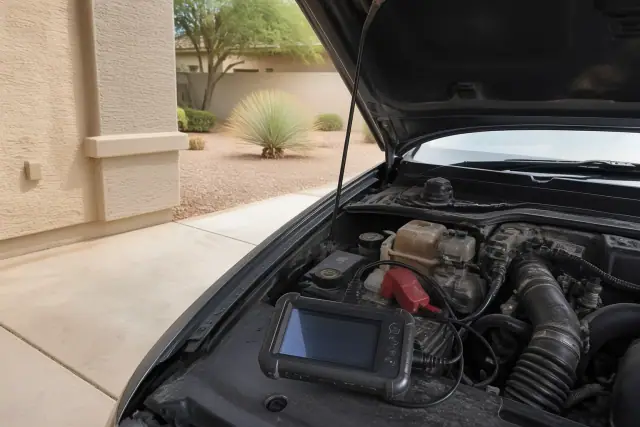
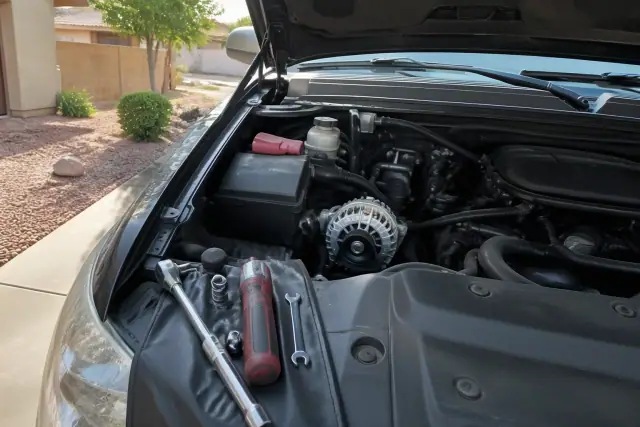
Mobile mechanic performing a check engine light diagnostic on a vehicle in a residential driveway in Gilbert, AZ.

For vehicles sold in the United States since 1996, we retrieve generic and manufacturer-specific OBD-II codes, including stored and pending faults. The technician reviews freeze-frame conditions and live sensor readings, then inspects the related components to distinguish issues such as a loose gas cap, oxygen-sensor fault, or cylinder misfire. You receive a written record of the codes, likely cause, and repair estimate before work begins.

Explore Service
Brake Repair

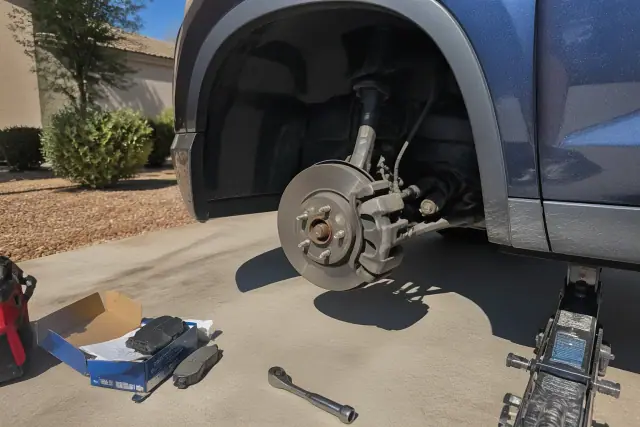
Mobile mechanic working on car brakes with the wheel removed on a concrete pad in Gilbert, AZ.

On-site brake service starts with an inspection of the pads, rotors, calipers, brake fluid, and pedal response. We check fluid moisture, measure scored rotors against minimum thickness specifications, and install needed components to manufacturer torque specifications. Grinding, squealing, or a soft pedal should be evaluated before wear develops into a larger safety concern.

Explore Service

Car Battery Replacement

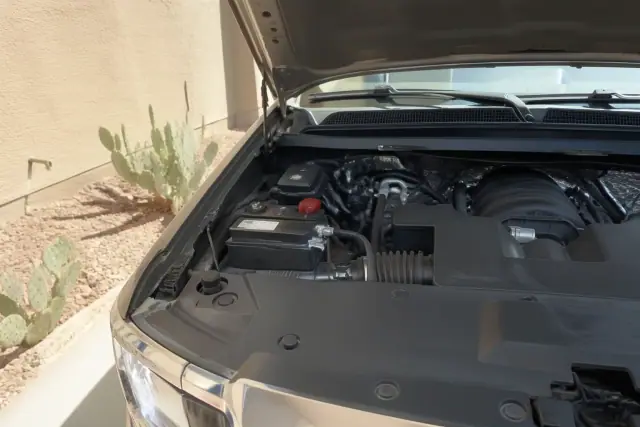
New car battery installed under the hood of a vehicle parked on a concrete pad at a home in Gilbert, AZ.

Desert heat typically shortens a lead-acid car battery's working life to around three years in the Phoenix metro, compared with about five years elsewhere. We test cold-cranking amps, load capacity, and alternator output before recommending replacement, then match the new battery to the vehicle's specifications. Terminal corrosion is cleaned and treated, and the old battery is handled in line with Arizona Department of Environmental Quality recycling guidance.

Explore Service

Alternator Replacement

New alternator installed in a vehicle engine bay at a residential home in Gilbert, AZ.

Dimming headlights, a battery warning light, or a battery that repeatedly loses charge can point to alternator trouble. We test charging output under load with a digital multimeter and inspect the serpentine belt and tensioner before recommending a replacement. Any new alternator is matched to the vehicle's amperage requirements and its charging performance is verified after installation.

Starter Replacement

New starter installed in a vehicle engine bay at a residence in Gilbert, AZ.

A click with no crank, or an engine that cranks without catching, requires more than an automatic starter swap. We test the starter circuit, solenoid, battery voltage under cranking load, and ground connections to confirm the fault. Most starter replacements can be completed on site, followed by a check for proper engagement and a clean crank.

Oil Change

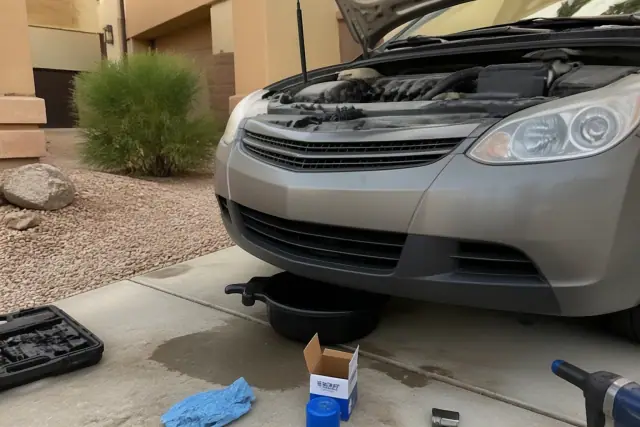
Mobile mechanic performing an oil change on a car in a residential driveway in Gilbert, AZ.

Mobile oil changes follow the manufacturer's specified interval and viscosity grade instead of a one-size-fits-all schedule. For vehicles driven regularly in Gilbert's extreme heat, we generally recommend synthetic oil while still following the vehicle's requirements. Each visit includes the oil filter, drain-plug gasket, fluid levels, and a visual check for leaks or worn components.

AC Repair & Recharge

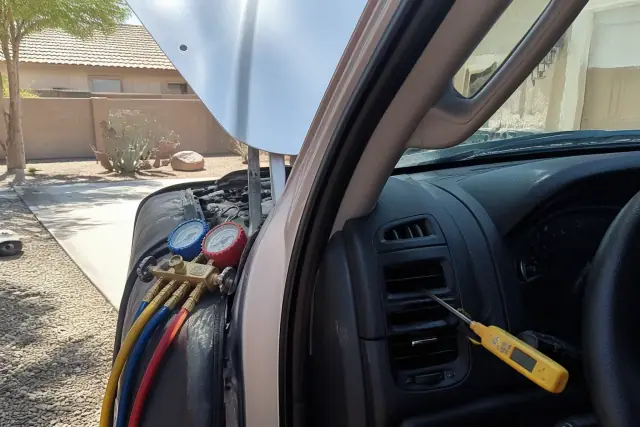
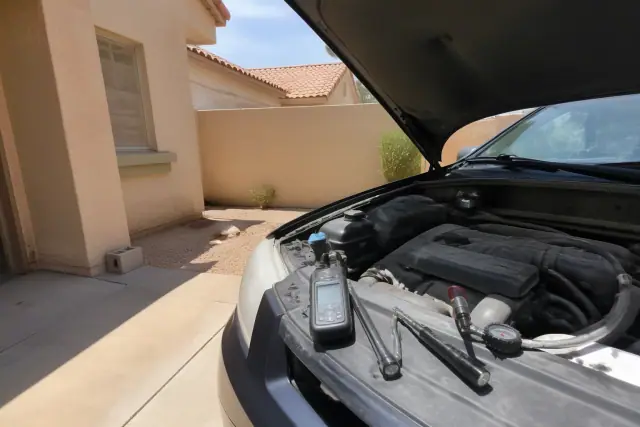
Mechanic performing an AC repair and recharge on a car in a driveway in Gilbert, AZ.

Gilbert summer highs regularly exceed 110 degrees, making weak air-conditioning performance difficult to ignore. We diagnose refrigerant leaks, compressor failures, and electrical faults with manifold gauges and leak-detection equipment, then recharge to the manufacturer's specified refrigerant weight. Recovery and recharge procedures follow EPA Section 609 requirements, and cabin output temperature is checked before and after service.

Radiator & Cooling System Repair

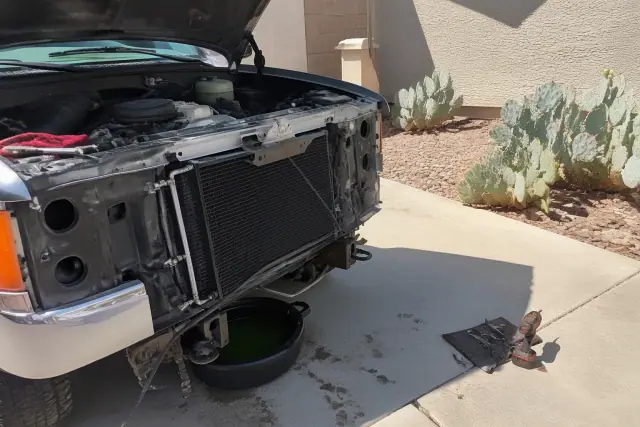
A mobile mechanic performs a radiator and cooling system repair on a car in a driveway in Gilbert, AZ.

An overheating engine in summer traffic can warp a cylinder head within minutes, so cooling-system symptoms deserve prompt attention. We pressure-test the radiator, hoses, water pump, and head-gasket area, then check the thermostat and radiator cap to locate the source. Repairs use the correct coolant formulation for the engine, with flushing and refilling performed as needed.

Spark Plugs & Ignition Coil Replacement

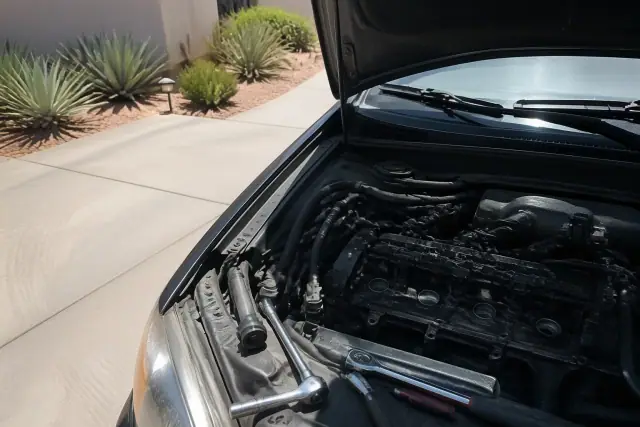
Spark plugs and ignition coils being replaced on a vehicle in a residential driveway in Gilbert, AZ.

Worn spark plugs and failing ignition coils can cause a rough idle, reduced fuel economy, and P0300-series misfire codes. We test individual coils before replacing parts, then install plugs at the manufacturer's specified gap and torque. Iridium or platinum plugs are used where the vehicle maker specifies them for extended service intervals.

Pre-Purchase Car Inspection

A car undergoing a pre-purchase inspection with tools and an OBD-II scanner at a home in Gilbert, AZ.

A mobile pre-purchase inspection gives Gilbert buyers an independent look at a used vehicle before committing. The visit includes a full diagnostic scan, fluid-condition checks, brake and tire inspection, battery and charging-system testing, and a visual review for frame damage or prior repair work. You receive a written report that can also help an existing owner decide whether a vehicle is worth repairing.

Choosing Mobile Service

How to Choose Mobile Auto Service in Gilbert

A useful check-engine service should do more than retrieve a generic code. Look for manufacturer-specific scan capability, physical testing of the related system, a written explanation, and a clear estimate before parts are installed. For maintenance or repair work, the technician should also follow the vehicle maker's specifications and verify the result on site.

OEM-Level Scan Tools

Manufacturer-specific code access can reveal faults that a basic generic reader misses. Our scanners retrieve stored and pending codes from the powertrain control module and preserve freeze-frame details for diagnosis.

Code-to-Cause Testing

A trouble code identifies a system, not necessarily the failed part. Live sensor readings, component checks, and visual inspection help separate a faulty coil or plug from damaged wiring, a vacuum leak, or another underlying cause.

Written Findings and Estimate

Every diagnostic job includes a written explanation of the retrieved codes, the likely cause, and the proposed repair. An estimate is provided before repair work begins so the next step is clear.

Mobile Service at Your Location

The scan tools, torque wrenches, test equipment, and common parts travel with the technician. Diagnostics and many repairs can be completed in a driveway, workplace lot, apartment parking area, or roadside location without a tow.

Vehicle-Specific Service

Parts and procedures should match the specific vehicle rather than a generic replacement approach. That includes battery ratings, alternator amperage, plug gap and torque, oil viscosity, coolant formulation, and refrigerant weight.

Clear Warning-Light Guidance

A steady light and a flashing light require different levels of attention. We explain what the observed light, code data, and vehicle symptoms mean, including whether continued driving could worsen the fault.

Gilbert Vehicle Warning Signs

Common Check Engine Problems in Gilbert

A steady check engine light can accompany an emissions fault even when the car seems to drive normally, while a flashing light indicates an active misfire that can damage the catalytic converter with continued driving. Gilbert's heat and airborne dust add stress to sensors, batteries, electrical connections, and cooling components. The code families below are among the recurring issues described in our local diagnostic work.

Diagnose My Vehicle

Catalyst Efficiency Codes

P0420 and P0430 indicate catalytic-converter efficiency concerns. These faults may appear without dramatic drivability symptoms, but an illuminated check engine light still causes an automatic emissions-test failure in Maricopa County.

P0300-Series Misfires

P0300-series faults often accompany worn spark plugs, a failing ignition coil, rough idle, or hesitation. When the warning light flashes, the active misfire can damage the catalytic converter within minutes of continued driving, making prompt diagnosis especially important.

Lean-Mixture and Airflow Faults

P0171 and P0174 identify a lean fuel mixture that may come from a vacuum leak or failing mass-airflow sensor. Dust exposure can degrade airflow and oxygen sensors, so code interpretation needs to be paired with inspection and live-data testing.

EVAP and Gas-Cap Leaks

P0455 commonly points to a large evaporative-emissions leak, including a loose or cracked gas cap. The car may feel normal, but the stored fault still needs to be confirmed and cleared only after the actual leak is addressed.

Battery and Charging Faults

Sustained underhood heat contributes to battery and charging-system electrical faults. Load, cold-cranking-amp, alternator-output, and connection tests help determine whether the battery, alternator, terminals, belt, or another circuit is responsible.

Cooling-System Overheating

A radiator, hose, water-pump, thermostat, cap, or head-gasket fault can allow temperatures to climb quickly in Gilbert traffic. Pressure testing and component checks locate the leak or circulation problem before a slow coolant loss becomes a full overheat.

Why Choose Us

Why Choose Phoenix Mobile Car Mechanic in Gilbert?

Our service model brings diagnostic equipment and repair capability directly to Gilbert drivers. Manufacturer-specific scans, written findings, vehicle-matched parts, and on-site verification keep the work focused on the confirmed problem. The mobile format also avoids towing costs and shop waiting time for many common repairs.

Gilbert-Wide Mobile Coverage

We work throughout Gilbert at homes, workplaces, apartment communities, and roadside locations. Coverage extends across established neighborhoods, newer developments, and the town's major commuting corridors.

Desert-Condition Experience

Heat, dust, and long East Valley commutes affect batteries, cooling systems, ignition parts, sensors, and electrical connections. Our diagnostic approach accounts for those local operating conditions instead of treating every fault as a generic code.

Diagnostics and Repairs On Site

The same mobile visit can move from code retrieval and physical testing to an approved repair when the needed work, parts, and location allow it. Charging output, starter engagement, cabin temperature, or other relevant results are checked before the job is considered complete.

Simple Process

Our Check Engine Diagnostic Process in Gilbert

A complete diagnosis moves from the vehicle's computer data to physical confirmation. We retrieve the fault information, compare it with manufacturer resources, inspect related components, monitor live values, and explain the likely cause before proposing repair work.

01.

Connect the Scan Tool

The technician connects an OEM-level scanner to the vehicle's OBD-II port and confirms communication with the onboard computer.

02.

Retrieve Codes and Freeze-Frame Data

Stored and pending codes are collected along with the freeze-frame snapshot that records engine conditions when the fault appeared.

03.

Review Manufacturer Information

We cross-reference the results with technical service bulletins and manufacturer wiring diagrams instead of assuming the first code listed is the cause.

04.

Inspect Related Components

Connectors, vacuum lines, sensors, and wiring are checked for heat damage, dust exposure, or rodent activity commonly found around Arizona garages.

05.

Monitor Live Sensor Values

Live data is watched while the engine runs to compare sensor behavior and expose intermittent faults that a stored code alone may not reveal.

06.

Explain Findings and Estimate

You receive a clear explanation of the codes, confirmed observations, likely cause, and repair estimate before any additional work begins.

Diagnostic Outcomes

What Accurate Vehicle Diagnostics Can Clarify

Case Study 1: Misfire cause isolated: Code data, coil testing, plug inspection, and wiring checks help determine whether one component or connection is responsible instead of replacing the full ignition set.

Case Study 2: Lean code narrowed down: Freeze-frame and live airflow data can separate a vacuum leak from a mass-airflow-sensor concern before a repair recommendation is made.

Case Study 3: Charging fault distinguished: Battery load results, alternator output, belt condition, and connection checks show whether a no-start concern belongs to the battery, charging system, starter circuit, or terminals.

Mobile Service in Gilbert

Schedule Mobile
Vehicle
Diagnostics

Tell us where the vehicle is located in Gilbert and what warning light, noise, starting issue, or drivability symptom you have noticed. We will provide a diagnostic quote and arrange mobile service based on scheduling and parts availability.

Gilbert Auto Repair Help

FAQs About Mobile Mechanic Service in Gilbert, AZ

These answers explain check engine diagnostics, mobile repair options, desert-heat concerns, and service coverage in Gilbert. For a vehicle-specific recommendation, describe the warning light and symptoms when you call.

Call a Mobile Mechanic

Diagnostic fees vary by vehicle and the scope of testing. National averages cited by RepairPal run from $122 to $233, while basic shop sessions often fall between $100 and $150. The average total cost to address the underlying check engine issue reached $554 in 2025, up 33% from the prior year as labor costs alone climbed 51%; Phoenix Mobile Car Mechanic provides a clear quote before starting and often applies the diagnostic fee toward an approved repair.

Some auto-parts retailers offer a complimentary scan that retrieves a generic stored code. That reading does not include live-data analysis, freeze-frame interpretation, or physical inspection of the related component. A complete mobile diagnosis goes beyond the code to determine whether the fault comes from a plug, coil, wiring connection, sensor, leak, or another cause.

Emissions-related faults such as a loose gas cap, aging oxygen sensor, or early catalytic-converter inefficiency may not change how the car feels. The engine computer can detect those conditions before the driver notices a performance problem. Ignoring the light can increase fuel use or emissions and can prevent the vehicle from passing required county testing.

A flashing light indicates an active misfire rather than a stored, steady fault. Continued driving can damage the catalytic converter within minutes, so the vehicle should be diagnosed promptly. Spark plugs, ignition coils, wiring, and related causes need testing before parts are replaced.

Yes. An illuminated check engine light causes an automatic failure at Maricopa County emissions testing stations, which affects registration renewal through the Arizona Department of Transportation. Diagnosing the root cause before the test avoids guessing through unrelated replacement parts.

The scan retrieves generic and manufacturer-specific codes, pending and stored faults, and freeze-frame conditions from the time the fault appeared. Live sensor readings and a physical inspection are then used to test what the code suggests. The final explanation includes the retrieved codes, likely cause, and repair estimate.

Yes, brake inspections and many pad, rotor, caliper, and fluid-related repairs can be completed on site. The technician checks pad wear, rotor thickness and scoring, caliper condition, pedal response, and brake-fluid moisture before recommending work. Components are installed to manufacturer torque specifications.

A lead-acid battery typically lasts around three years in the Phoenix metro heat, compared with about five years in milder areas. We test cold-cranking amps, load capacity, charging output, and terminal condition before recommending replacement. The new battery is matched to the vehicle's rating requirements.

Alternator and starter replacement can be completed on site in many cases. We first test charging output, the belt and tensioner, battery voltage under cranking load, the starter circuit, solenoid, and ground connections to identify the actual fault. The replacement is matched to the vehicle and its operation is verified after installation.

We test for refrigerant leaks, compressor problems, and electrical faults with manifold gauges and leak-detection equipment. Recharge work uses the vehicle maker's specified refrigerant weight and follows EPA Section 609 recovery and handling requirements. Cabin output temperature is measured before and after service.

The cooling system is pressure-tested for leaks at the radiator, hoses, water pump, or head-gasket area. Thermostat and radiator-cap operation are also checked before the system is flushed or refilled with the correct coolant formulation. Finding a slow leak early can prevent the more costly damage that follows a full overheat.

Yes. Worn plugs and failing coils can cause P0300-series misfire codes, rough idle, hesitation, and reduced fuel economy. Individual coils are tested rather than automatically replacing the full set, and new plugs are installed to the manufacturer's specified gap and torque.

The inspection includes a full diagnostic scan, fluid-condition checks, brake and tire review, battery and charging-system tests, and a visual check for frame damage or prior repairs. You receive a written report before deciding whether to buy. The same inspection can help an existing owner weigh a repair decision.

Service covers the Heritage District, Power Ranch, Morrison Ranch, Agritopia, Cooley Station, Seville, the Islands, and areas near San Tan Village. Mobile units also work along Val Vista Drive, Higley Road, Guadalupe Road, and the Loop 202 corridor. Drivers commuting between Gilbert, Chandler, Mesa, Queen Creek, and San Tan Valley can request service where the vehicle is located within the stated coverage area.

Same-day service is available for most diagnostic and repair requests, depending on scheduling and parts availability. Work may be arranged at a residential driveway, office complex, apartment parking area, or roadside location. Share the vehicle, symptoms, and current location when requesting service.